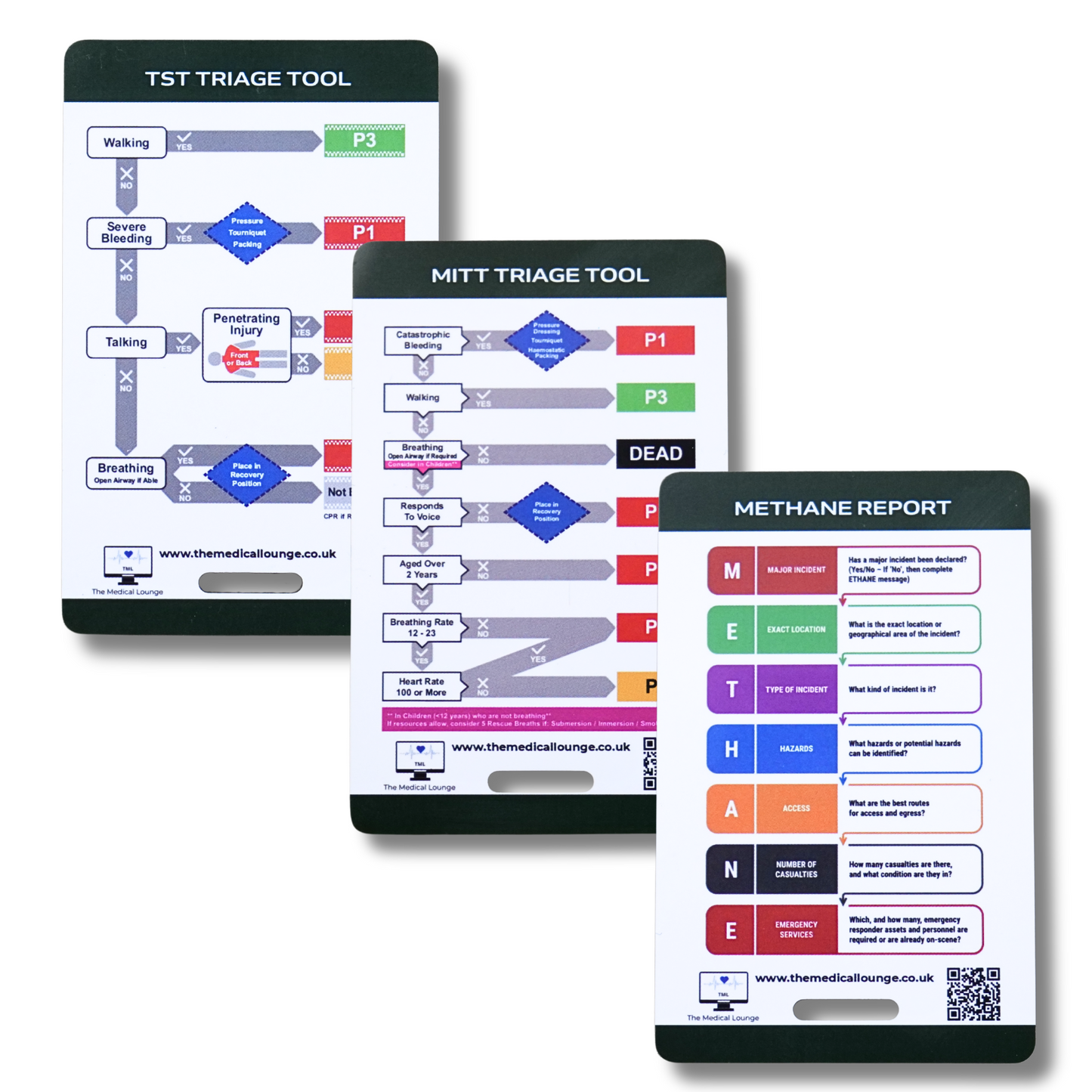
You arrive first on scene. It’s noisy, messy, and already escalating.
Control ask one question: “Give me your METHANE.”
If you deliver it clearly, you’re not just “giving an update.” You’re helping different agencies quickly build the same shared picture of what’s happening.
This post explains METHANE in a UK (JESIP-aligned) way, with practical examples you can remember and use when it counts.
What is METHANE?
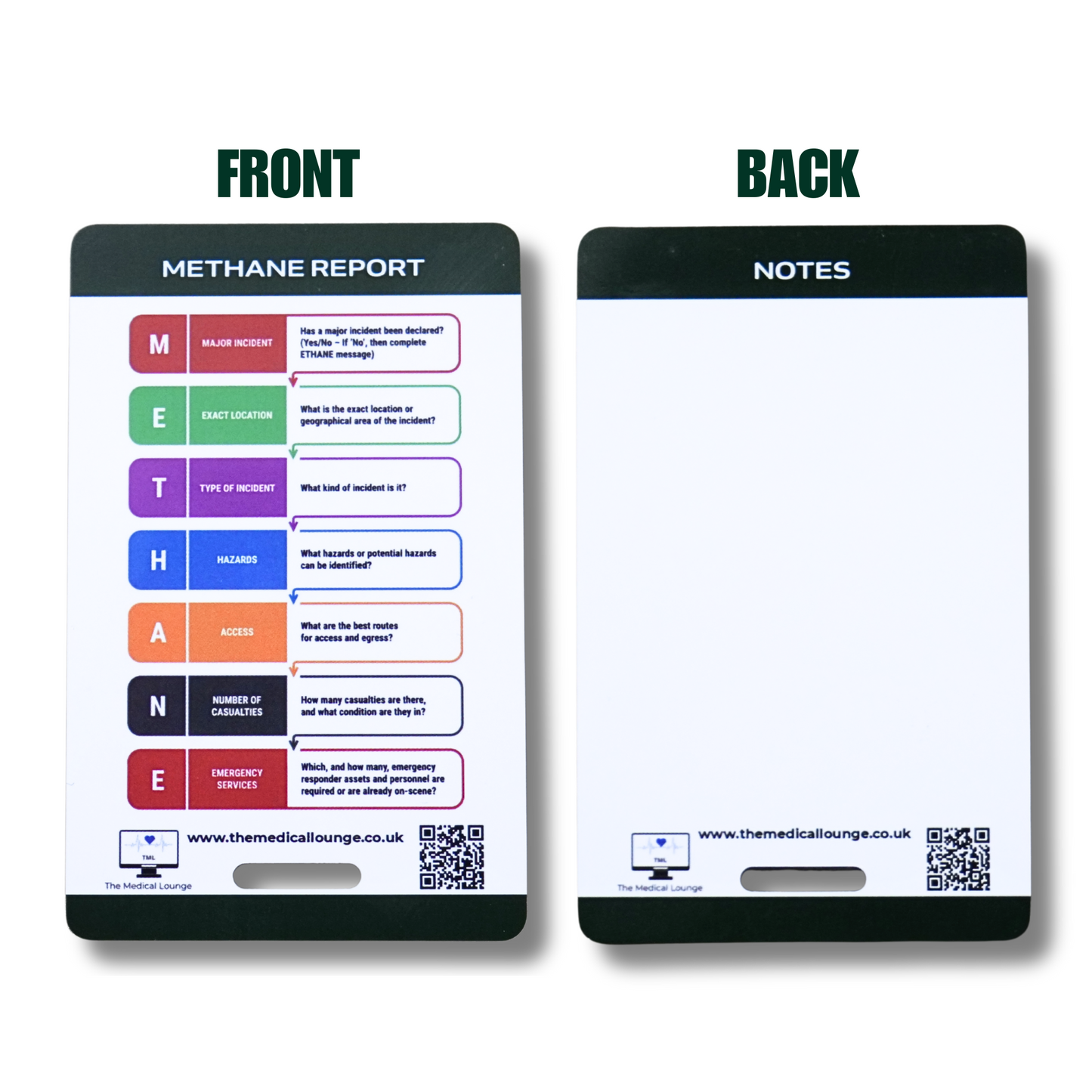
M/ETHANE is the UK’s established structured reporting framework for sharing incident information between responders and control rooms, especially in the early stages of multi-agency incidents.
You should use this format for all incidents and update it as things change. If the incident is below the major incident threshold, use ETHANE instead of METHANE.
JESIP defines a major incident as: an event with a range of serious consequences that requires special arrangements to be implemented by one or more emergency responder agency.
METHANE vs ETHANE (quick rule)
- Use METHANE when a major incident is declared or when you are reporting to help make that decision.
- Use ETHANE, which has the same structure as ETHANE but without the “M,” when the major incident threshold is not met.
The METHANE Breakdown (with real-world phrasing)
M — Major incident declared?
Begin with a clear yes or no.
- “Major incident declared: YES.”
- If the answer is no, you are giving an ETHANE report instead.
E — Exact location
Be as specific as possible.
- Road name, direction of travel, junction number, nearby landmark, access point.
- “Exact location: M62 eastbound between J24 and J25, just past the slip road.”
T — Type of incident
Describe exactly what the incident is, not how it feels.
- RTC, fire, collapse, explosion, chemical release, crowd surge, etc.
- “Type: multi-vehicle RTC with a coach involved.”
H — Hazards (actual or potential)
This part is about keeping everyone safe.
- Fuel, fire, unstable structures, fast roads, downed cables, chemicals, hostile threat, water, smoke.
- “Hazards: fuel leak, vehicle fire developing, live traffic still moving.”
A — Access/egress
Tell control the best way to enter and leave the scene.
- Best route in, staging areas, roads blocked, rendezvous points.
- “Access: use J25 off-slip, approach from the west. Egress via the same route. Eastbound lane is fully blocked.”
N — Number of casualties (and severity)
Early numbers will be rough, and that’s okay. Give your best estimate and update as you learn more.
- “Number: approx 12 casualties. 2 trapped, 3 non-ambulatory, remainder walking wounded.”
E — Emergency services (present & required)
Say which services are already there and what you need next.
- Ambulance, police, fire, HART, HEMS, etc. (as appropriate to your service pathway)
- “Emergency services: ambulance on scene (solo), require fire for extrication, police for traffic control, additional ambulance resources for multiple casualties.”
A “copy-and-say” METHANE script
“Control from [callsign]. Major incident declared: YES. Exact location: [precise location]. Type: [type]. Hazards: [hazards]. Access: [best route in/egress]. Numbers: [estimate + severity]. Emergency services: [on scene + required]. Will update.”
Common METHANE mistakes (and how to avoid them)
1) Vague location
- “Near the roundabout” is not enough. Give a location that a crew can find on their first try.
2) Hazards missed or minimised
- Hazards drive everyone’s tactics. If you’re unsure, say “potential hazard” and update.
3) Access was not thought through
- If you do not give a clear route, you might accidentally send resources into a traffic jam.
4) Numbers given without severity
- “20 casualties” means very different things depending on whether they’re P1/P2/P3-style presentations — give a quick sense of severity early, refine later.
Why we made a METHANE pocket card
When you are under stress, memory is the first thing to go, but structure remains.
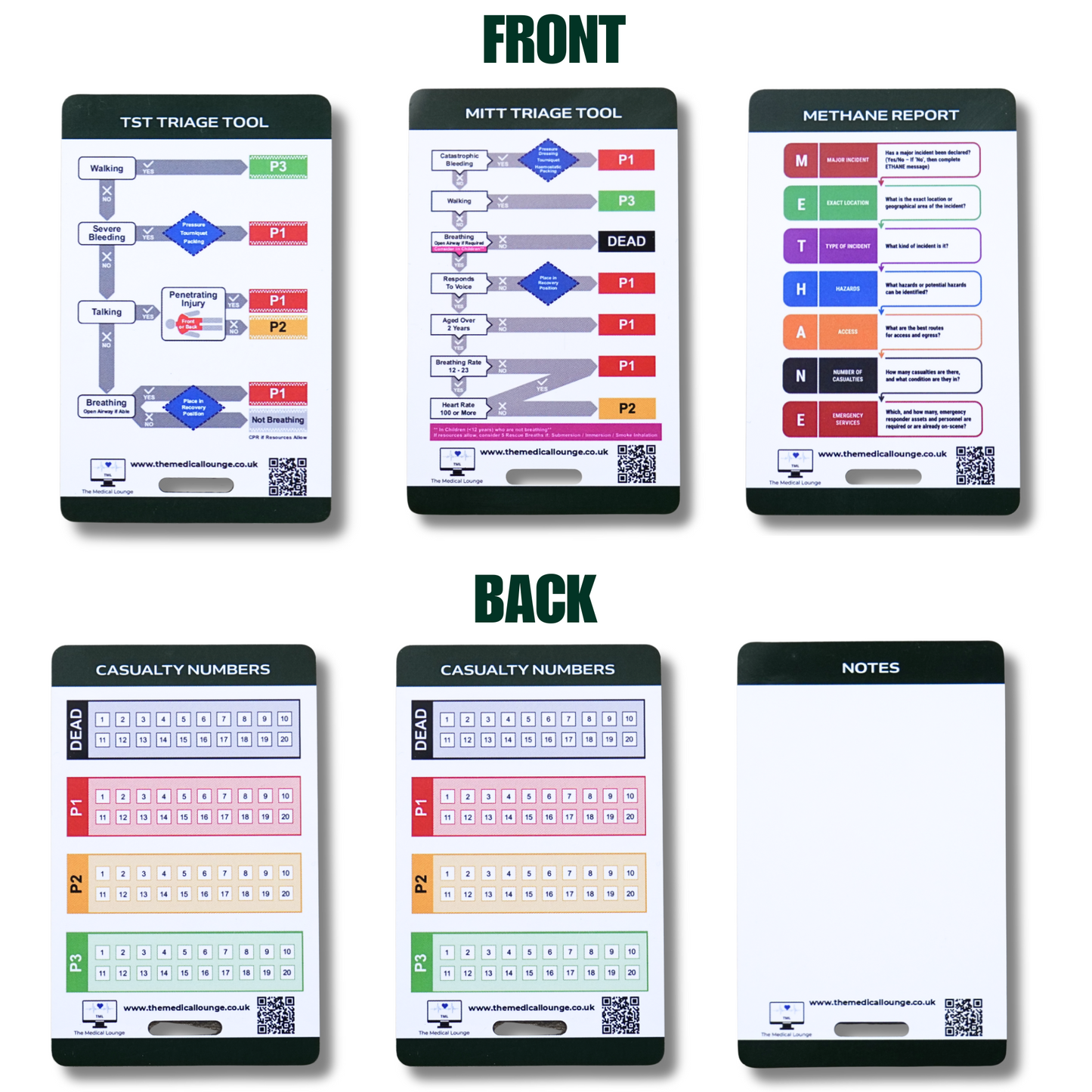
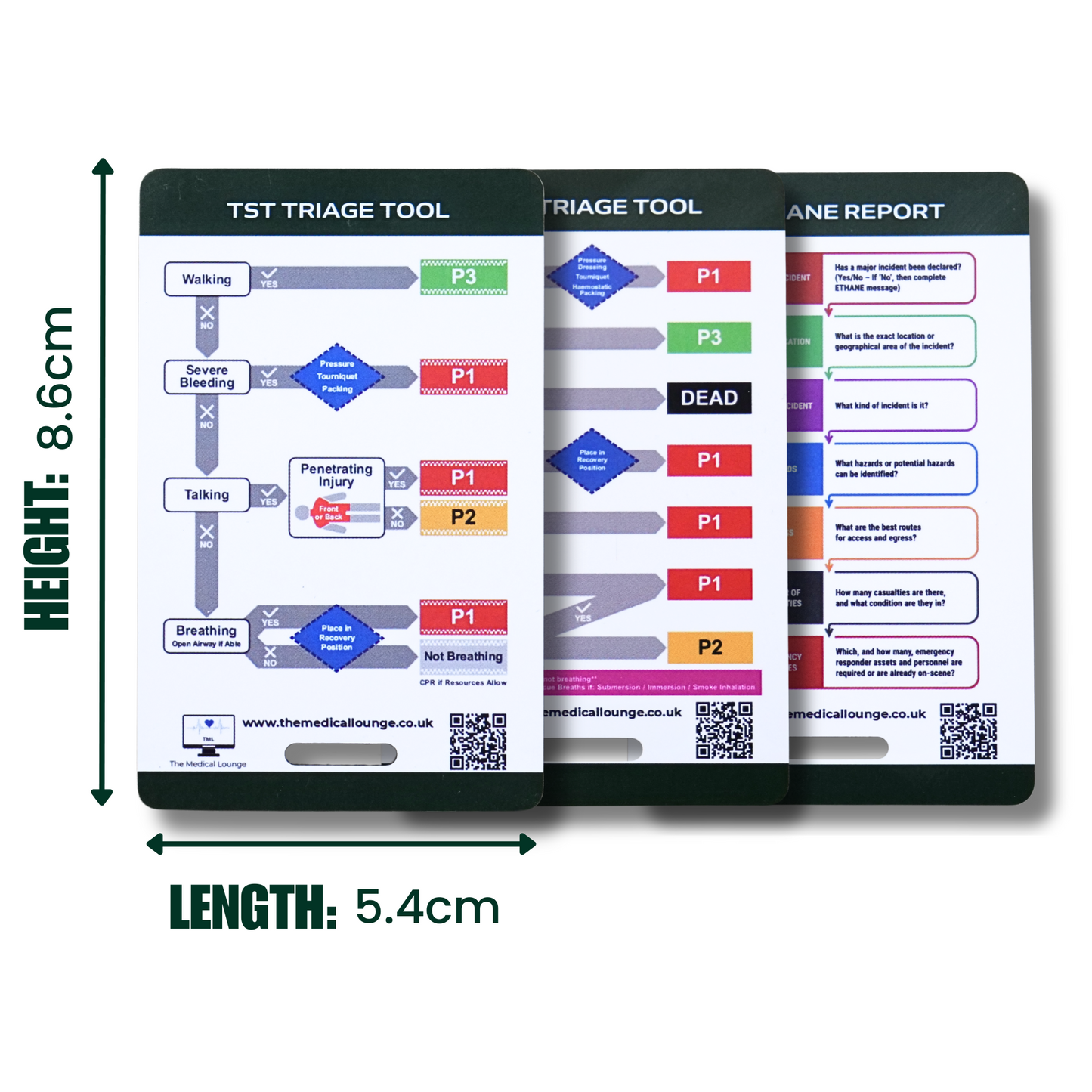
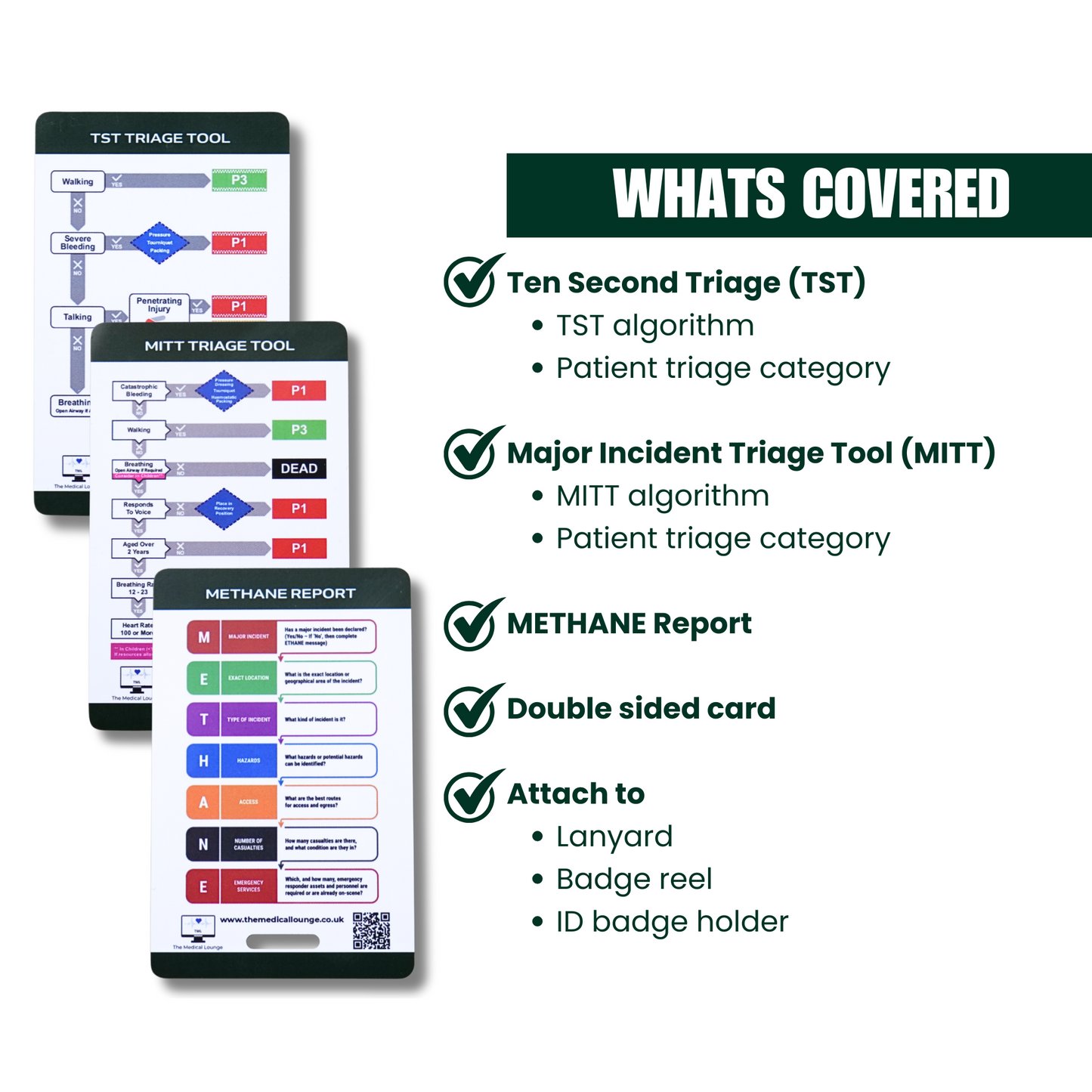
Our METHANE reference card is designed to sit on your lanyard / in your pocket so you can:
- Deliver a clean report on the first pass
- Prompt yourself to include hazards and access (the bits people forget)
- Update the same structure as the incident evolves
If you want a quick reference that keeps your reporting consistent and your scene communication clear, the METHANE card is designed for you.
Key takeaways
- Use M/ETHANE early, and update it as things change.
- Exact location, hazards, and access are the most important elements to get right.
- METHANE helps everyone build a shared multi-agency picture, which is the main goal.
If you want, paste one of your existing blog posts here, and I’ll mirror the formatting (heading style, CTA placement, image callouts, and length) exactly for the METHANE version.